
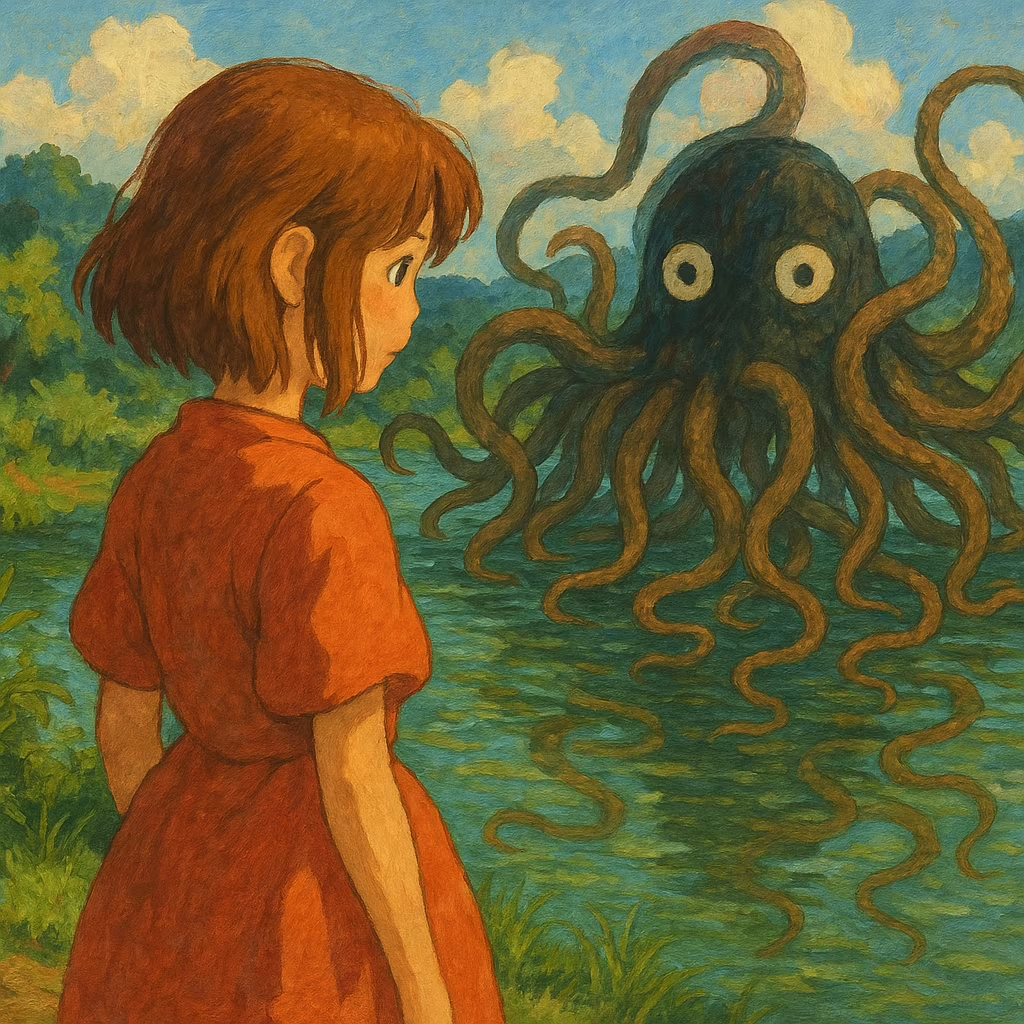
At InfoRealNow.com, we’re all about diving deep into fascinating topics, and today, we’re exploring something truly magical—Ghibli art. If you’ve ever been mesmerized by the dreamy visuals of Spirited Away, My Neighbor Totoro, or Howl’s Moving Castle, you’ve already experienced the power of Ghibli’s animation. But what makes this art style so special? Why is it more popular than ever in 2025? Let’s uncover everything you need to know!
Summary
The Origins of Ghibli Art
Ghibli art traces back to Studio Ghibli, a legendary Japanese animation studio founded in 1985 by Hayao Miyazaki, Isao Takahata, and Toshio Suzuki. This artistic style is influenced by a blend of traditional Japanese aesthetics, European illustration, and Miyazaki’s personal experiences.
Japanese Art Influences
Ghibli’s aesthetic draws from Ukiyo-e woodblock prints, known for their soft gradients, intricate landscapes, and fluid motion. The concept of wabi-sabi (embracing imperfection) and ma (appreciating negative space) plays a huge role in how Ghibli scenes unfold. This influence can be seen in the way vast open landscapes are framed, allowing viewers to feel a sense of calm and introspection.
Western Influences
Miyazaki has openly admired French animator Paul Grimault and Russian filmmaker Yuriy Norshteyn, whose works emphasize visual poetry and storytelling through imagery rather than dialogue. Additionally, some of Ghibli’s whimsical character designs and fluid motion also echo early Disney animation, particularly the works of Walt Disney’s golden age.
Miyazaki’s Personal Touch
Ghibli’s signature flying machines, sprawling landscapes, and deep ecological themes stem from Miyazaki’s childhood, growing up in post-war Japan. His fascination with aviation (his father was an aircraft engineer) and deep love for nature are evident in almost every film. He often portrays flying as an expression of freedom, adventure, and escape, making it a recurring motif in Ghibli films.
The Evolution of Ghibli Art Over Time
1980s – 1990s: The Early Days
Films like Nausicaä of the Valley of the Wind (1984) and Castle in the Sky (1986) set the stage for Ghibli’s signature hand-drawn animation, rich colors, and detailed landscapes. These early films laid the foundation for what would become the defining characteristics of the Ghibli style.
1990s – 2000s: The Golden Age
This era gave us unforgettable masterpieces like Princess Mononoke (1997) and Spirited Away (2001). These films refined Ghibli’s use of color palettes, shading, and world-building, making them feel even more immersive. The introduction of mystical creatures, spirits, and folklore became a staple during this period, adding layers of meaning to the storytelling.
2010s – Present: The Digital Transition
While Ghibli remains committed to hand-drawn animation, recent films like The Wind Rises (2013) and The Boy and the Heron (2023) have embraced digital tools while keeping the warmth of traditional animation. The integration of CGI and digital effects has allowed for smoother animations without losing the organic feel of classic Ghibli films.
Defining Features of Ghibli Art
1. Hand-Painted Backgrounds
Each frame in a Ghibli film is a masterpiece, featuring watercolor-like textures, lush greenery, and vast open skies. The depth of these backgrounds gives a sense of scale and immersion, making viewers feel like they are stepping into another world.
2. Expressive, Simple Characters
Ghibli characters are minimalistic yet deeply expressive, using subtle facial animations to convey emotions. Unlike Western animation, which often exaggerates expressions, Ghibli’s approach is more nuanced and grounded in realism.
3. Warm, Nostalgic Color Palettes
Pastel hues and nature-inspired colors create a visually soothing experience. Even the darkest Ghibli films, such as Princess Mononoke, use rich earthy tones to maintain their visual warmth.
4. Breathtaking Animation Details
Ghibli animators pay extreme attention to real-world physics and movement—whether it’s a curtain billowing in the wind, raindrops trickling down a window, or the steam rising from a freshly cooked meal. These details make Ghibli films feel alive and deeply immersive.
5. Symbolism and Deeper Meanings
Many Ghibli visuals hold deep meaning—Totoro represents childhood innocence, while No-Face in Spirited Away critiques consumerism and materialism. These subtle storytelling elements add layers of depth that make the films re-watchable and thought-provoking.
Why Ghibli Art is Trending Again
1. The Rise of Aesthetic Trends on Social Media
Platforms like Instagram, TikTok, and Pinterest are flooded with Ghibli-inspired artwork, aesthetic edits, and fan recreations, fueling nostalgia and inspiration for both artists and viewers.
2. Hand-Drawn Art in a Digital Age
With AI-generated content on the rise, many people crave the authenticity of hand-crafted art, making Ghibli’s detailed, handcrafted animation stand out in an increasingly digital world.
3. Ghibli’s Influence on Modern Games and Animation
Games like Ni no Kuni, Baldo, and Hollow Knight take direct inspiration from Ghibli’s artistic philosophy, proving that its influence extends far beyond just film.
4. Streaming Accessibility
Thanks to Netflix, HBO Max, and Disney+, new generations are discovering Ghibli films, keeping the art style alive and relevant.
5. Fan Culture and DIY Digital Art
The availability of digital tools like Procreate and Photoshop has made it easier for fans to create Ghibli-style artwork, leading to an explosion of online content.
6. A Growing Appreciation for Handcrafted Art
In a world dominated by mass production, Ghibli’s emphasis on hand-crafted, deeply personal artistry resonates now more than ever.
Conclusion: The Timeless Appeal of Ghibli Art
Ghibli’s art isn’t just about aesthetics—it’s about emotion, nostalgia, and storytelling. It’s why people still discuss and analyze these films decades later. As the internet continues to amplify its beauty, Ghibli’s influence will only grow stronger.
Want to See Yourself in Ghibli Art?
At InfoRealNow.com, we love celebrating creativity. That’s why we’re offering a unique chance to see yourself transformed into Ghibli-style artwork—completely free! Just drop a comment or send us a message, and we’ll create a stunning Ghibli-inspired version of your photo.